






















Add Your Heading Text Here

Hot games

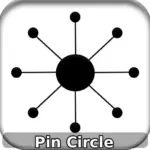
Pin Circle is a fast, timing-first online/browser game where you fire pins into a rotating circle without colliding. The appeal is simple: each level asks for precise rhythm under pressure, and then the difficulty ramps by changing speed, direction, and safe gaps.

Play Now: Launch Pin Circle and start practicing your timing (no download).

This is typically an HTML5 game (may use WebGL depending on the site build), so it should load quickly on modern browsers and many mid-range devices.

If you like arcade challenges that reward calm hands and repeatable habits, Pin Circle is built for you. The core loop is quick, the fail state is clear, and you can improve visibly by learning when to tap and when to wait.

Play Now: Start a run and aim to beat your last clean streak.

For most players, the best results come from treating it like a rhythm drill: watch the rotation, pick a lane, and then commit only when the timing window is real.

  Pin Circle  

Key Features

  • Single-tap shooting loop focused on timing windows and collision avoidance.
  • Short levels that encourage rapid retries and fast skill-building feedback.
  • Difficulty ramp through changing rotation speed and occasional direction flips.
  • Clean fail state, one collision ends the attempt and resets the level.
  • Simple visuals that keep attention on spacing, angles, and pacing.
  • Works well as an online/browser game for quick sessions between tasks.
 

What is Pin Circle?

Pin Circle is an arcade reflex game where your role is a shooter placing pins into a rotating target without hitting existing pins. The gameplay loop is: observe rotation, wait for a safe slot, shoot, and then repeat until you fill the circle or complete the required count.

The tactical dynamic comes from managing spacing. Each new pin reduces the safe angles, so a “good shot” early can create a stable lane later, while a sloppy early shot can force risky timing. Compared with games like Coreball or a Circle Pin Shooter style variant, Pin Circle tends to feel tighter because your margin for error shrinks fast as the circle fills.


How to Play

Your objective is to shoot all pins into the rotating circle without a collision. A collision usually means your new pin touches an existing pin, and the run fails instantly. Progression is level-based: you clear a stage by placing the required number of pins, and then the next stage adds pressure through faster rotation, smaller gaps, or trickier rhythm.

Controls are intentionally minimal, which is why this type of Pin Shooter game is so replayable. In most versions, you control only the shot timing, not the aiming angle.

Controls (Quick Reference)

Mouse click / Tap: Shoot a pin into the circle. Tap when the gap is fully visible, not when it first appears.

Hold (if supported): Usually does nothing, avoid holding. Treat each shot as a single, deliberate action.

Keyboard (if supported): Spacebar shoots. If you misfire, slow down your rhythm for two shots.

Experience cue: If your shots start “bunching” on one side, pause for one full rotation to reset your timing.


Core Gameplay Mechanics


Main system

When you tap to shoot, the game fires a pin into a fixed entry line toward the rotating circle, and it locks into the rim at the current rotation angle. Your job is to place each pin so it does not overlap any pin already placed. As the circle fills, the safe timing window becomes smaller.


Tactical dynamics

When you see a wide empty lane, treat it like a safe anchor and keep building around it instead of chasing tiny gaps. When rotation speed feels inconsistent, wait an extra beat and shoot on the second time the gap passes you. For example, if the circle flips direction after a shot, skip the next gap and re-read the rhythm.


Progression and scaling

As you advance, stages typically increase the required pin count, accelerate rotation, and introduce pattern changes like sudden speed-ups or direction swaps. This scaling forces you to stop “spamming taps” and instead use measured cadence. The later the stage, the more you win by consistency, not reflex panic.


Key elements

Your main resource is space. Every placed pin consumes angular room, which increases collision risk. Hazards include existing pins, tighter gaps, and tempo changes that bait early taps. The primary fail state is a collision on placement. Some versions also add moving blocks or uneven spacing, but the core risk is always overlap.


Decision Flow (Quick Win Rule)

  • If you see a wide safe gap, shoot once, re-check speed, and keep the same lane.
  • If the circle has just sped up or flipped, wait one full pass, and then shoot on the next clean gap.
  • If pins are clustered near your entry line, delay two beats, and then aim for the opposite side gap.
  • Otherwise, shoot only when the gap is fully open.
 

Strategies

  • Anchor Gap First: Choose the widest gap early and build a consistent rhythm around it. This works because early “clean spacing” creates predictable lanes later. Warning: if the game flips direction, your anchor becomes a trap, so pause and re-check before shooting again.
  • Two-Beat Reset: After any near-miss, wait two gap passes before your next shot. The extra time reduces panic taps and helps you recalibrate rotation speed. Warning: do not over-wait on very fast stages, you still need a repeatable cadence.
  • Opposite-Side Placement: If pins are clumping near your entry line, intentionally place the next pin into the opposite side gap. This spreads risk and keeps collisions away from your shot path. Warning: only do this when you can clearly see the far-side gap.
  • Hold the Tempo: Pick a simple rhythm (for example, “shoot every other gap”) and stick to it unless the game changes speed. It works because timing becomes muscle memory and reduces late-stage mistakes. Warning: the moment speed changes, break the pattern and re-sync.
  • Gap Confirmation Tap: Mentally confirm the gap is still clear right before you tap, not when you first notice it. This prevents you from shooting into a closing window. Warning: if you hesitate too long, you will miss the best window, so decide quickly.
  • Last-Pin Patience: Treat the final 2 to 3 pins as a new phase: wait longer, shoot cleaner, and accept slower clears. It works because late spacing is tight and one mistake ends the level. Warning: avoid “one more quick shot” impulses.

Experience cue: If you keep failing on the same stage, record what triggers it (speed-up, direction flip, or clustered pins), and then practice waiting through that exact moment.


Similar Games to Pin Circle

If you are a fan of chaotic, fun boxing games, you will definitely enjoy these too:

If you enjoy this kind of reaction challenge, you can also browse Skill games.

And if you like the planning side of spacing and pattern reading, explore Puzzle games.


FAQs About Pin Circle


What is the pinhole game?

A “pinhole game” usually refers to a simple precision game where you aim or place objects into small holes or targets. In Pin Circle, the idea is similar but timing replaces aiming. You succeed by placing pins into a rotating circle without overlap, so spacing and rhythm matter more than accuracy.


How do you play the circle game?

You play by tapping or clicking to shoot pins into a spinning circle, trying to avoid hitting pins already placed. Each level ends when you place the required number of pins, and you lose immediately if a pin collides. Many versions add speed changes, so waiting is as important as tapping.


What is the pin point game?

“Pin point game” can describe different casual titles, but the common theme is precise placement under constraints. Pin Circle fits that definition because each tap commits a pin at the current angle. The constraints increase as the circle fills, which shrinks safe timing windows and raises collision risk.


What is the 3 6 9 game?

The 3 6 9 game is a counting game where players clap or say a substitute word on numbers containing 3, 6, or 9. It is not the same as Pin Circle. Pin Circle is about timing shots into a rotating target, while 3 6 9 is a social rhythm and attention game.


Is Pin Circle the same as a Circle Pin Shooter?

Often, yes, in concept. A Circle Pin Shooter title usually means you shoot pins into a rotating circle and avoid collisions. Pin Circle is a version of that loop. What varies by site or build is speed patterns, level count, and whether there are direction flips or special obstacles.


Can I play Pin Circle without installing anything?

In most browser builds, yes. Pin Circle is typically offered as an online/browser game where you load it directly in a tab, with no download required. If you are prompted to install an app, that is a different platform version, not the standard web play flow.


Technical

Pin Circle is commonly delivered as an HTML5 game and may use WebGL for rendering. On desktop, it should run on Chrome, Edge, Firefox, and Safari. On mobile, most mid-range devices should handle it smoothly as long as you close heavy background tabs.

Controls are usually tap or click only. If the page provides a spacebar option, it functions the same as a tap. This is designed for no download play, meaning you typically do not need to install anything to start. If performance stutters, try lowering other browser load by closing extra tabs or disabling battery saver.


Conclusion

Pin Circle is a clean, repeatable arcade timing challenge that rewards patience more than raw speed. Its strengths are quick restarts, a clear fail state, and a skill curve you can feel within minutes. Its limits are that runs can feel similar if you prefer variety, and late-stage pressure punishes careless tapping.

If you want a free arcade game online that trains rhythm, spacing, and composure, Pin Circle is worth a spot in your rotation. Play a few stages, then replay one tough level until your timing stabilizes.

Google Play

App Store

Comment (0)

More games